
Stretching 30min Gallery
$$MultiPurposeText$$
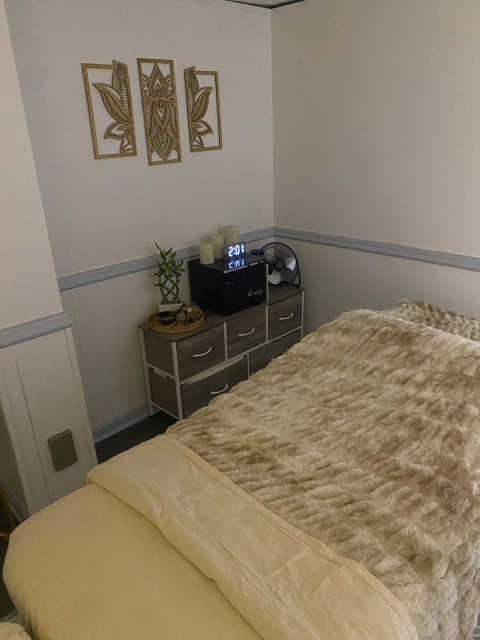
See examples of our Stretching 30min work and results.



What Our Clients Say
$$MultiPurposeText$$
Read testimonials from our satisfied customers

absolutely amazing. She is professional, attentive, and made me feel completely relaxed fr...more

One of, if not the best massages I have ever had. I was having shoulder, neck and back pai...more

O my GAAAWD!! MS. Christine has the hands of an angel 😇. Not only that she greets you at...more

When I say amazing!! Christine did her big one from the professionalism to the expertise a...more

Ten out of ten! One of the most thorough and complete massages I’ve ever experienced. She ...more

This massage was definitely KNOT AVERAGE!! This was the best massage I’ve ever had -hands-...more

Frequently Asked Questions
Get answers to common questions about Stretching 30min .
A typical 30-minute session includes a brief intake, targeted assisted and passive stretches, and mobility work focused on problem areas. Expect hands-on guidance, gentle progression, and home stretch recommendations to continue improvements between sessions.
Yes. Sessions are tailored to your ability and limitations. Therapists modify intensity, range, and positions for beginners or clients with limited mobility while prioritizing safety and gradual progress. We also teach simple home stretches to build confidence and flexibility.
For lasting gains, schedule stretching two to three times weekly, or add shorter daily routines at home. Frequency depends on goals, tightness level, and activity load; your therapist will recommend a personalized plan.
You may feel mild stretching discomfort or temporary muscle soreness, but sharp pain isn't normal. Therapists adjust pressure and technique—please communicate immediately if you feel significant pain or unusual symptoms during or after sessions.
Yes. Stretching 30min improves flexibility, joint range, and movement patterns that support better performance. Combined with strength and skill training, it can enhance speed, power, and efficiency in many sports.
Tell your therapist about recent surgeries, fractures, blood clots, acute injuries, or pregnancy. Certain cardiovascular issues, severe osteoporosis, or uncontrolled chronic conditions may require physician clearance; your therapist will modify or decline techniques to prioritize your safety.