
Sports Massage Gallery
$$MultiPurposeText$$
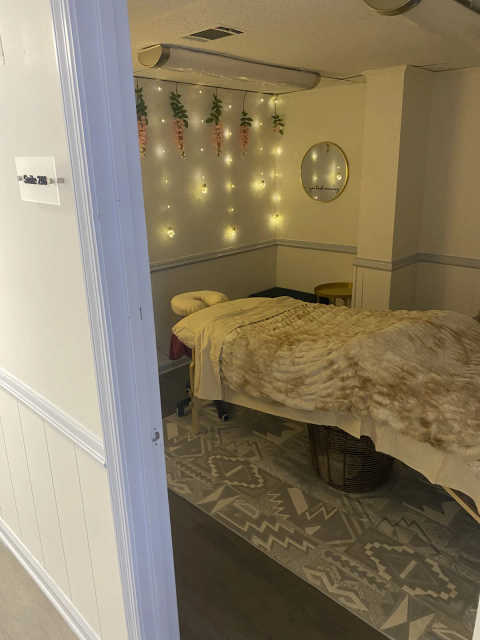
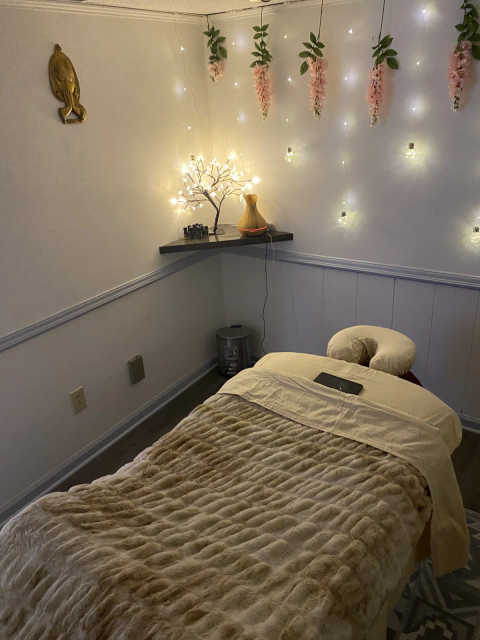
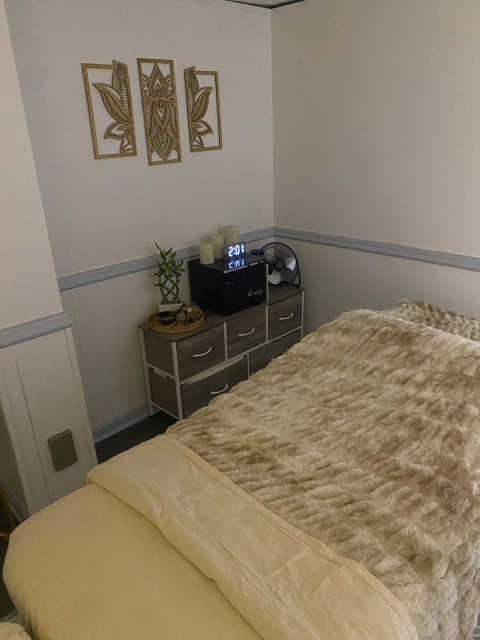
See examples of our Sports Massage work and results.

What Our Clients Say
$$MultiPurposeText$$
Read testimonials from our satisfied customers

absolutely amazing. She is professional, attentive, and made me feel completely relaxed fr...more

One of, if not the best massages I have ever had. I was having shoulder, neck and back pai...more

O my GAAAWD!! MS. Christine has the hands of an angel 😇. Not only that she greets you at...more

When I say amazing!! Christine did her big one from the professionalism to the expertise a...more

Ten out of ten! One of the most thorough and complete massages I’ve ever experienced. She ...more

This massage was definitely KNOT AVERAGE!! This was the best massage I’ve ever had -hands-...more

Frequently Asked Questions
Get answers to common questions about Sports Massage.
Sports massage uses targeted pressure, myofascial release, and assisted stretching to increase circulation, reduce muscle tension, and accelerate repair. By improving blood flow and breaking down adhesions, it helps muscles recover faster after intense training and reduces pain.
Yes. Pre-event massage can be shorter and energizing, while post-event treatment focuses on recovery and repair. Tell your therapist your event timing and goals so they can tailor pressure, stretching, and techniques for optimal performance or faster recovery.
Some clients experience mild soreness for 24–72 hours as tissues adapt; this is normal when tight muscles are released. Hydrate, rest, and apply gentle movement or ice as needed. If intense pain or unusual symptoms occur, contact your therapist or a medical professional.
Typical sessions are 30 or 60 minutes, but at Knot Average we can extend time for deeper work—30Min becomes 40+ minutes, 60Min becomes 80+. Your therapist will recommend duration based on goals, areas needing attention, and recovery needs.
Regular sports massage can reduce imbalance, ease chronic tightness, and address compensations that lead to injury. Combined with strength and mobility work it supports long-term prevention, but it’s most effective as part of a comprehensive training and recovery plan.
Wear comfortable clothing and arrive hydrated; no special prep is required. Aftercare includes gentle movement, hydration, and rest. Your therapist may give stretches or icing suggestions. If you have medical conditions, inform the therapist so treatment is adapted safely.