
Neuromuscular Massage Gallery
$$MultiPurposeText$$
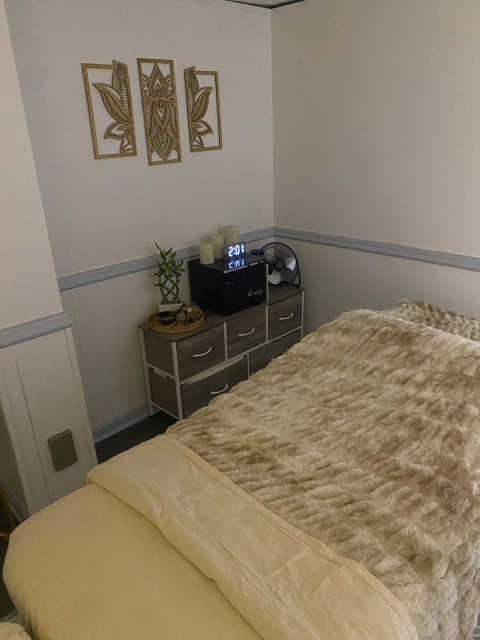
See examples of our Neuromuscular Massage work and results.



What Our Clients Say
$$MultiPurposeText$$
Read testimonials from our satisfied customers

absolutely amazing. She is professional, attentive, and made me feel completely relaxed fr...more

One of, if not the best massages I have ever had. I was having shoulder, neck and back pai...more

O my GAAAWD!! MS. Christine has the hands of an angel 😇. Not only that she greets you at...more

When I say amazing!! Christine did her big one from the professionalism to the expertise a...more

Ten out of ten! One of the most thorough and complete massages I’ve ever experienced. She ...more

This massage was definitely KNOT AVERAGE!! This was the best massage I’ve ever had -hands-...more

Frequently Asked Questions
Get answers to common questions about Neuromuscular Massage.
Neuromuscular Massage addresses chronic muscle pain, myofascial trigger points, headaches, sciatica, TMJ dysfunction, and nerve entrapments. It focuses on tissue imbalance and nervous system patterns to reduce pain, improve function, and support rehabilitation when combined with other care.
Typical sessions run 30 or 60 minutes, with extended options (30Min - 40+, 60Min - 80+) for deeper work. Your therapist will recommend duration based on pain severity, treatment goals, and how much time is needed to address problem areas effectively.
You may feel focused discomfort during releases as tight tissue releases; this is often brief. Mild soreness, tenderness, or fatigue can follow for 24–48 hours. Hydration, rest, and gentle movement help recovery. Therapists adjust pressure for your comfort.
Frequency depends on condition chronicity and goals. Many clients see improvement after 4–8 sessions spaced weekly or biweekly, then move to maintenance care. The therapist will create a personalized plan and adjust as your symptoms change.
Arrive hydrated and wearing comfortable clothing. Avoid heavy meals beforehand. Bring relevant medical history and inform your therapist about medications, surgeries, or recent injuries. Clear communication about pain levels helps tailor pressure and techniques.
Yes — it pairs well with physical therapy, chiropractic care, acupuncture, and exercise programs. Coordinate with other providers to align goals and timing. Your therapist can recommend complementary treatments while avoiding excessive intensity on the same day initially.