
Lymphatic Drainage Gallery
$$MultiPurposeText$$
See examples of our Lymphatic Drainage work and results.

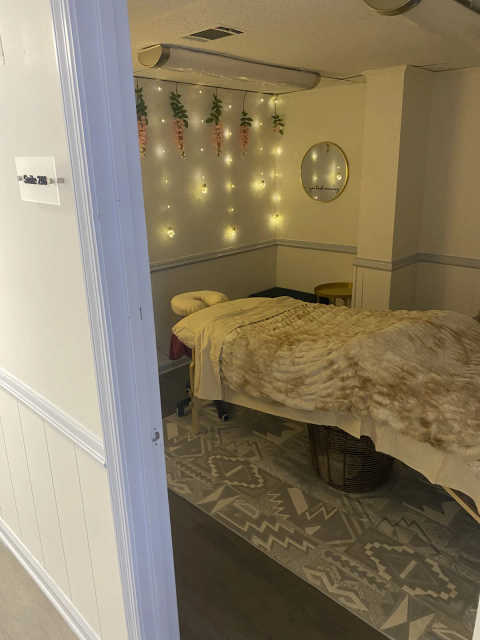
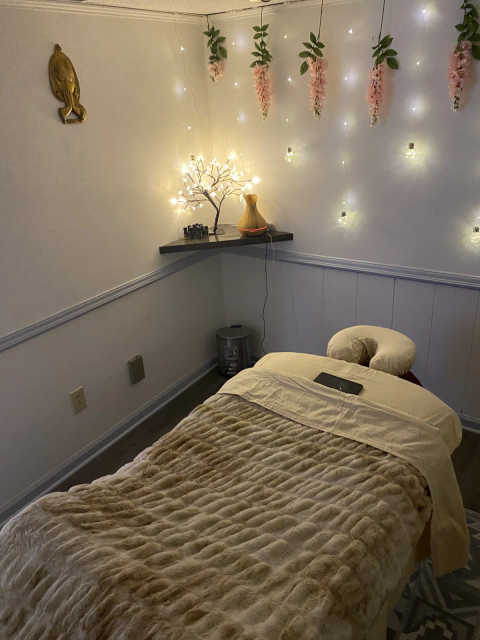
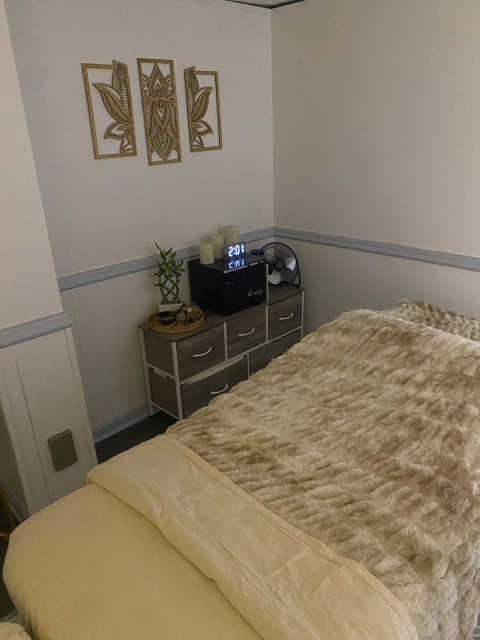
What Our Clients Say
$$MultiPurposeText$$
Read testimonials from our satisfied customers

absolutely amazing. She is professional, attentive, and made me feel completely relaxed fr...more

One of, if not the best massages I have ever had. I was having shoulder, neck and back pai...more

O my GAAAWD!! MS. Christine has the hands of an angel 😇. Not only that she greets you at...more

When I say amazing!! Christine did her big one from the professionalism to the expertise a...more

Ten out of ten! One of the most thorough and complete massages I’ve ever experienced. She ...more

This massage was definitely KNOT AVERAGE!! This was the best massage I’ve ever had -hands-...more

Frequently Asked Questions
Get answers to common questions about Lymphatic Drainage.
You’ll experience slow, rhythmic light pressure and sweeping motions with minimal to no lotion. Cupping or tools may be used to speed fluid movement. Sessions focus on drainage pathways; you may feel warmth, slight tingling, and an urge to hydrate or urinate afterward.
Most clients find lymphatic drainage gentle and relaxing because strokes are very light. You should not experience pain; if cupping or targeted work causes discomfort, tell the therapist so they can adjust pressure, modify technique, or omit tools for your comfort.
Frequency depends on your goals and condition. Acute edema or post-surgical care may require multiple sessions per week initially; chronic issues often benefit from weekly treatments. A short series of 3–6 sessions commonly shows measurable improvement.
Yes—when approved by your surgeon, gentle lymphatic drainage can reduce postoperative swelling and support healing. Therapists use light pressure and specific sequences tailored to recovery stage; always disclose surgery details and any complications beforehand.
Contraindications include active infection, deep vein thrombosis, uncontrolled heart failure, and certain cancers or cancer treatments. Pregnancy and blood-thinning medications may require special precautions or clearance. Complete your health intake and consult your physician if unsure.
Arrive well-hydrated, wear loose comfortable clothing, and avoid heavy meals or alcohol beforehand. Bring any relevant medical notes. Plan to drink extra fluids and rest after the session; extended session options are available if you prefer longer treatment.